01
Capital growth
Looking for Longer-Term Appreciation?
Consider entry price, surrounding development, future infrastructure, supply and the characteristics that may support future demand.

PROPERTY INVESTMENT IN SINGAPORE
Location and presentation matter, but an investment decision requires a wider assessment.
Entry price, rental demand, holding costs, future supply and the eventual exit all contribute to whether the numbers make sense.
Discuss your investment objectivesSTART WITH THE OBJECTIVE
There is no single definition of a good property investment. Different investors have different financial positions, time horizons and expectations.
Capital growth
Consider entry price, surrounding development, future infrastructure, supply and the characteristics that may support future demand.
Rental income
Rental demand matters, but so do maintenance fees, vacancy periods, financing costs and the price paid for the property.
Portfolio planning
A property should be considered within your broader financial position rather than as an isolated purchase.
Start with the investment objective. Then decide whether the property fits it.
UNDERSTANDING THE NUMBERS
A headline rental yield can look attractive while overlooking other costs and risks.
The return begins with what you pay, not what you hope the property will become.
INVESTING IN A NEW LAUNCH
New launches can offer progressive payment structures, new facilities and a fresh lease, but they also require buyers to assess something that does not yet fully exist.
Consider:

INVESTING IN RESALE
A resale property provides more observable information. You can inspect the actual unit, understand the immediate surroundings and examine existing rental and transaction evidence.
But age alone does not determine whether a resale property represents value.
Consider the remaining lease, condition, renovation requirements, maintenance costs, competing stock and the property’s future relevance to buyers and tenants.
HOW I LOOK AT AN INVESTMENT
Price
Demand
Supply
Cost
Time
Exit
The objective isn’t to predict the future perfectly. It is to understand the risks before committing capital.
CURRENTLY WATCHING
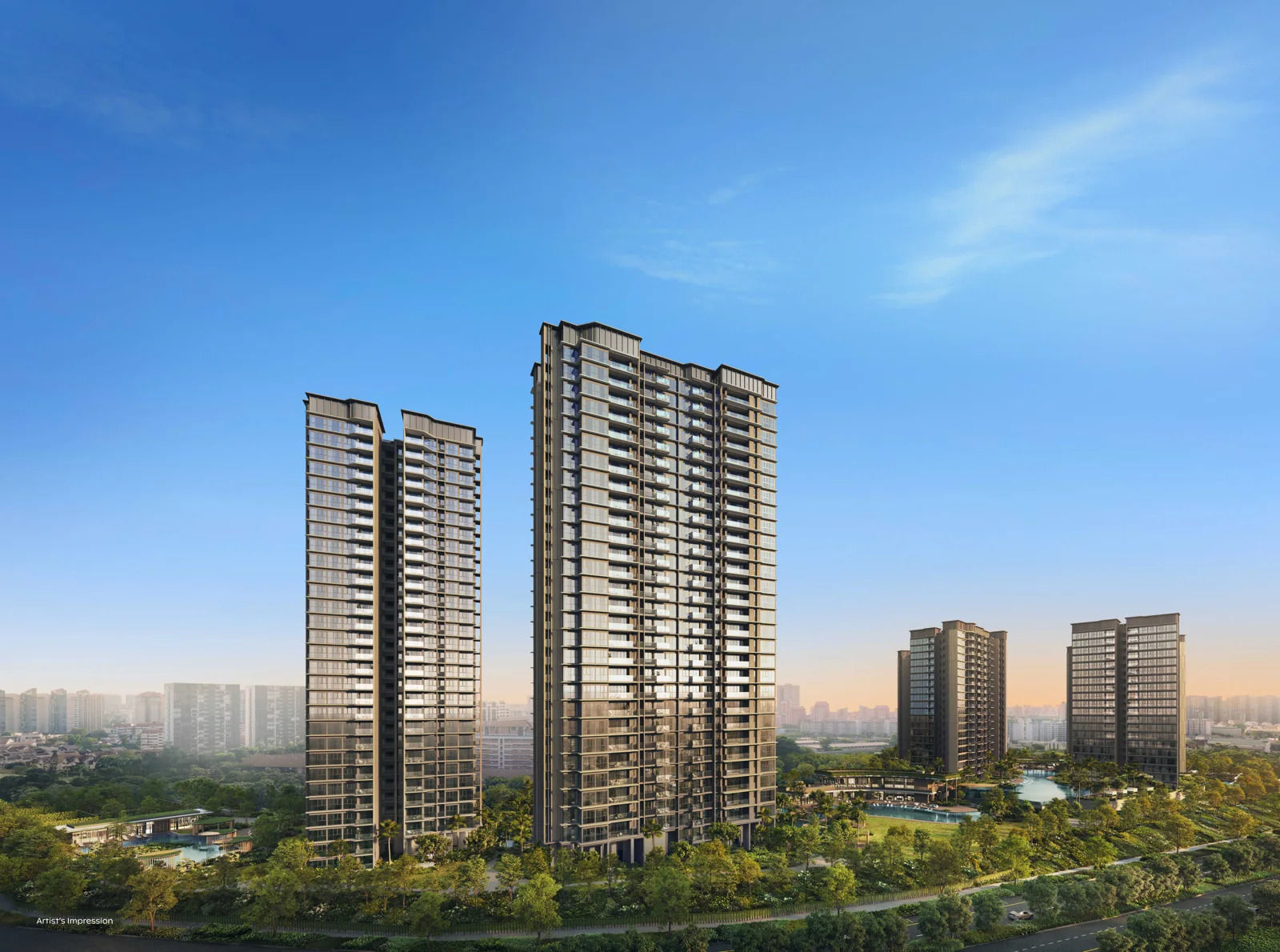
A major new residential development beside the Central Catchment Nature Reserve, bringing together greenery, the established Upper Thomson neighbourhood and Thomson-East Coast Line connectivity.
Explore Thomson ReserveCONSIDERING PROPERTY AS AN INVESTMENT?
Whether you are considering a new launch, resale property or comparing several opportunities, we can begin by looking at your objectives, financial position and the numbers behind the property.
Discuss your investment objectives